



Nitrat kommt natürlich in Böden, Pflanzen und Wasser vor. Erhöhte Konzentrationen können jedoch insbesondere im Grundwasser auftreten. Erfahren Sie, wie der Nitratgrenzwert in Deutschland geregelt ...
Your Cart
(0 products)
Your cart is empty
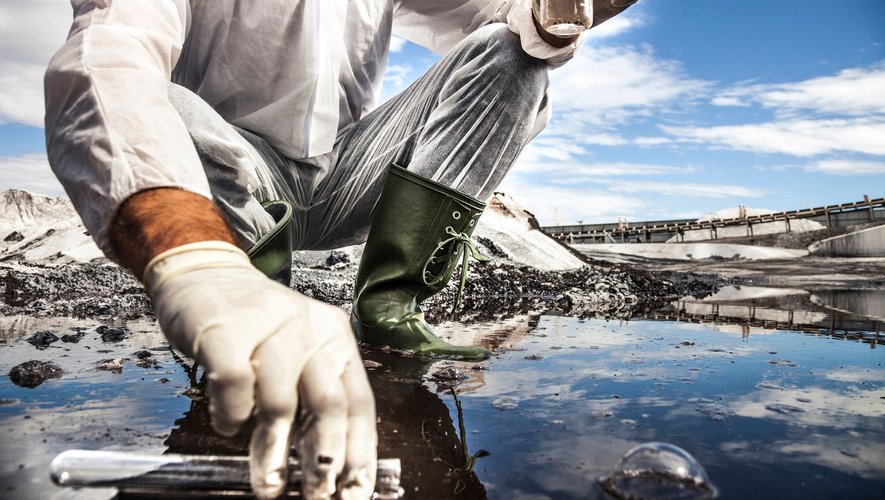
PFAS, these man-made chemicals found throughout modern life, represent a hidden threat to our health. Present in countless products such as phones, cookware and cosmetics, they seep into daily life by contaminating our water, our air and even our bodies.
But what risks do they pose to wellbeing? How can households manage and filter these compounds from domestic water? In this article, we lift the lid on these invisible pollutants.
PFAS are a family of more than 4,700 synthetic chemicals widely used by industry. They are valued for their resistance to water, stains and grease.
This very persistence is what causes concern, because PFAS break down extremely slowly in the environment and in the human body. That is why they are often called forever chemicals.
PFAS stands for per- and polyfluoroalkyl substances. These compounds are present in many everyday products and can also be found in drinking water.
PFAS are hidden in far more everyday objects than most people realise. More than 1,400 PFAS are used across over 200 different applications.
Common uses include:
PFAS are also used in products designed for durability or performance, including:
PFAS may also migrate from paper or plastic packaging into food, increasing exposure and raising wider public health concerns.
Beyond household products, PFAS can enter the body through food, water, air and dust. They are found across Europe, including France.
Air contamination is often linked to atmospheric deposits from factories and other industrial sources. Food and water contamination follow several routes.
Fish and seafood are among the main dietary sources of PFAS. Higher levels have also been identified in game offal. Other foods may include meat, eggs, milk, fruit and vegetables, particularly root vegetables.
Main contamination routes include:
PFAS can seep into soil, contaminate rivers and lakes, and eventually pollute groundwater reserves. They may then enter tap water supplies.
The severity of contamination depends on the type of PFAS involved and soil characteristics. Longer carbon-chain PFAS and soils rich in organic matter may increase persistence and retention.
Studies have identified PFAS in drinking water in many regions of the world. This makes monitoring, treatment and source control increasingly important.
Many of the best-studied PFAS are considered moderately to highly toxic, particularly during child development. The highest risks are generally linked to elevated exposure and vulnerable groups such as children and older adults.
Four commonly discussed health concerns include:
According to public health agencies such as the European Environment Agency, PFAS exposure has also been associated with liver effects, thyroid disease, obesity and fertility problems.
Many countries are introducing measures to protect public health and the environment by tightening PFAS regulation.
The European Union has adopted several controls, notably under the REACH regulation (Registration, Evaluation, Authorisation and Restriction of Chemicals).
This framework has already introduced restrictions on certain PFAS groups and proposed additional limits on compounds such as PFHxS, PFHxA and PFAS used in firefighting foams. Some compounds, including GenX and PFBS, have been classified as substances of very high concern.
Other frameworks helping to limit exposure include:
The presence of PFAS in domestic water raises understandable concerns. Fortunately, practical steps can help reduce exposure and better protect your household.
Some water utilities provide online tools to check local water quality. In parts of Belgium, for example, SWDE and Vivaqua publish accessible information. Similar services may exist in your area.
Researchers have also developed rapid test prototypes for detecting certain PFAS in water. These are promising, though not yet standard household tools.
Activated carbon filters are among the most accessible options for reducing chemical pollutants such as PFAS in household water. Those used in Weeplow filtration systems are designed to help reduce harmful contaminants.
Common activated carbon filter types include:
For effective filtration, always maintain and replace filters according to the manufacturer’s instructions.
PFAS are artificial chemicals valued for resistance to water, grease and stains, which explains their widespread use. While it is harder to avoid exposure through food, air and dust, you can take practical action with the water you drink.
Particular attention should be given to protecting more vulnerable family members, including children, pregnant women and older adults.
Start taking steps today to manage and filter these unwanted compounds from your water. At Weeplow, we specialise in gravity-fed water filtration systems. Browse our online shop to find the solution best suited to your household.
Nitrat kommt natürlich in Böden, Pflanzen und Wasser vor. Erhöhte Konzentrationen können jedoch insbesondere im Grundwasser auftreten. Erfahren Sie, wie der Nitratgrenzwert in Deutschland geregelt ...

Nitrate can occur naturally in water, but higher concentrations can come from sources such as agriculture and wastewater. Learn how drinking-water limits work, where nitrate comes from, how to test...

Nitrates et méthémoglobinémie : quels risques pour l’eau du robinet ? Comprenez le lien entre ces deux éléments et ce que cela signifie pour votre eau au quotidien.
Researchers are increasingly studying the possible effects of chronic exposure to nitrates in drinking water. Here is what current research actually says about the potential risks associated with l...

Introduction Each year, a French household spends hundreds of euros on bottled water. It is carried home from the supermarket, stored in the kitchen, reassured by the image of mountains on ...