


Nitrates et méthémoglobinémie : quels risques pour l’eau du robinet ? Comprenez le lien entre ces deux éléments et ce que cela signifie pour votre eau au quotidien.
Your Cart
(0 products)
Your cart is empty
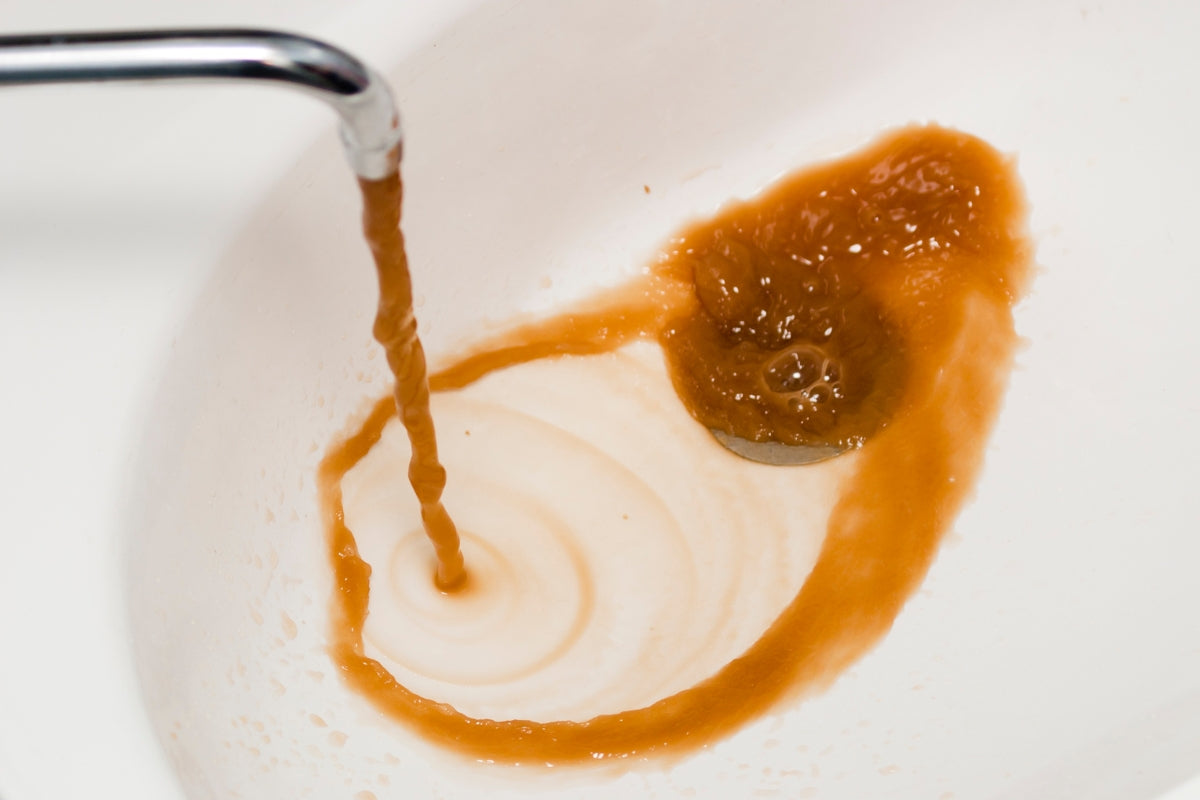
Tap water is something we use every day, but can it ever become harmful? In France, dozens of cases linked to contaminated drinking water are reported each year. While such incidents remain relatively uncommon, they highlight an important public health concern.
From chlorine and bacteria to parasites and pesticides, substances found in water can cause a range of health problems: from mild nausea and ongoing stomach pain to more serious illness requiring hospital treatment.
Whether you are an adult, a child or caring for your family, understanding how water quality can affect health is essential. With recent studies from health agencies raising concerns about certain contaminants, it is worth knowing the risks and the practical solutions available.
Among the most common causes are bacterial and viral contamination. Pathogens such as E. coli and Salmonella may occasionally be found in water supplies. These microorganisms can cause serious symptoms, including vomiting, diarrhoea and complications that may be more severe for children, older adults and people with weakened immune systems.
The presence of chemical substances should not be overlooked either. Solvents, pesticides and other toxic residues may contribute to headaches and longer-term health concerns.
Finally, even pure water can become dangerous if consumed in excessive quantities. This is known as overhydration or water intoxication, where sodium levels in the body become dangerously diluted.

Recognising symptoms is the first step, as acting quickly can be important. Health professionals often look for persistent vomiting, frequent diarrhoea, headaches, abdominal pain and a general feeling of being unwell.
Example: In 2024, several pupils became ill at a holiday centre after drinking tap water. Regional health authorities investigated and identified insufficient chlorination levels.
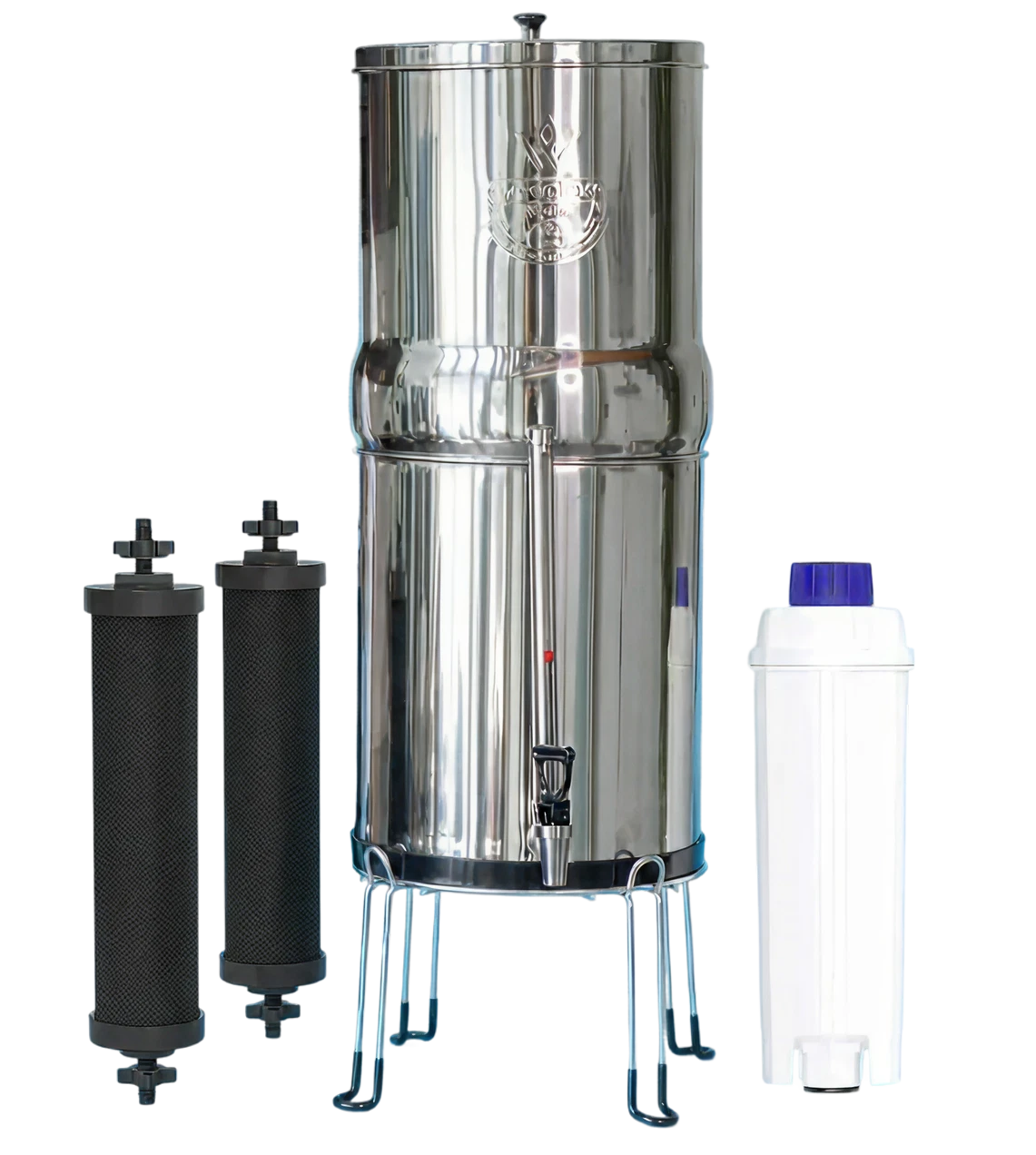
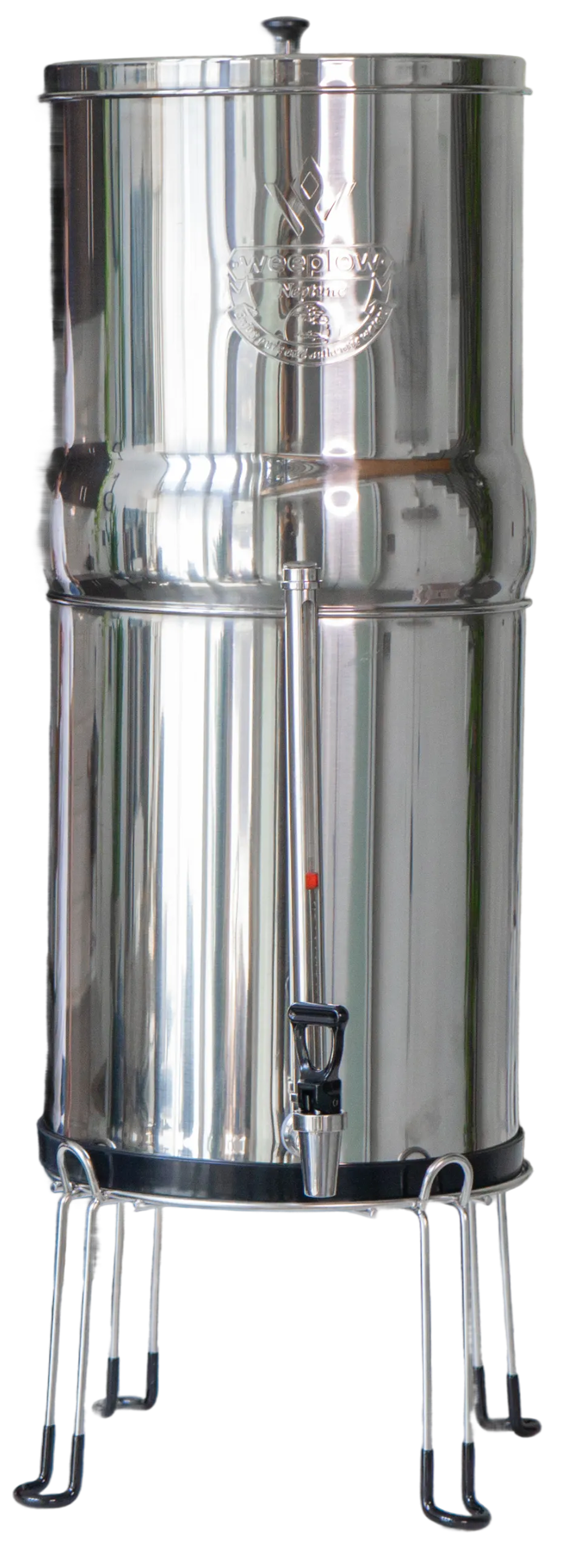
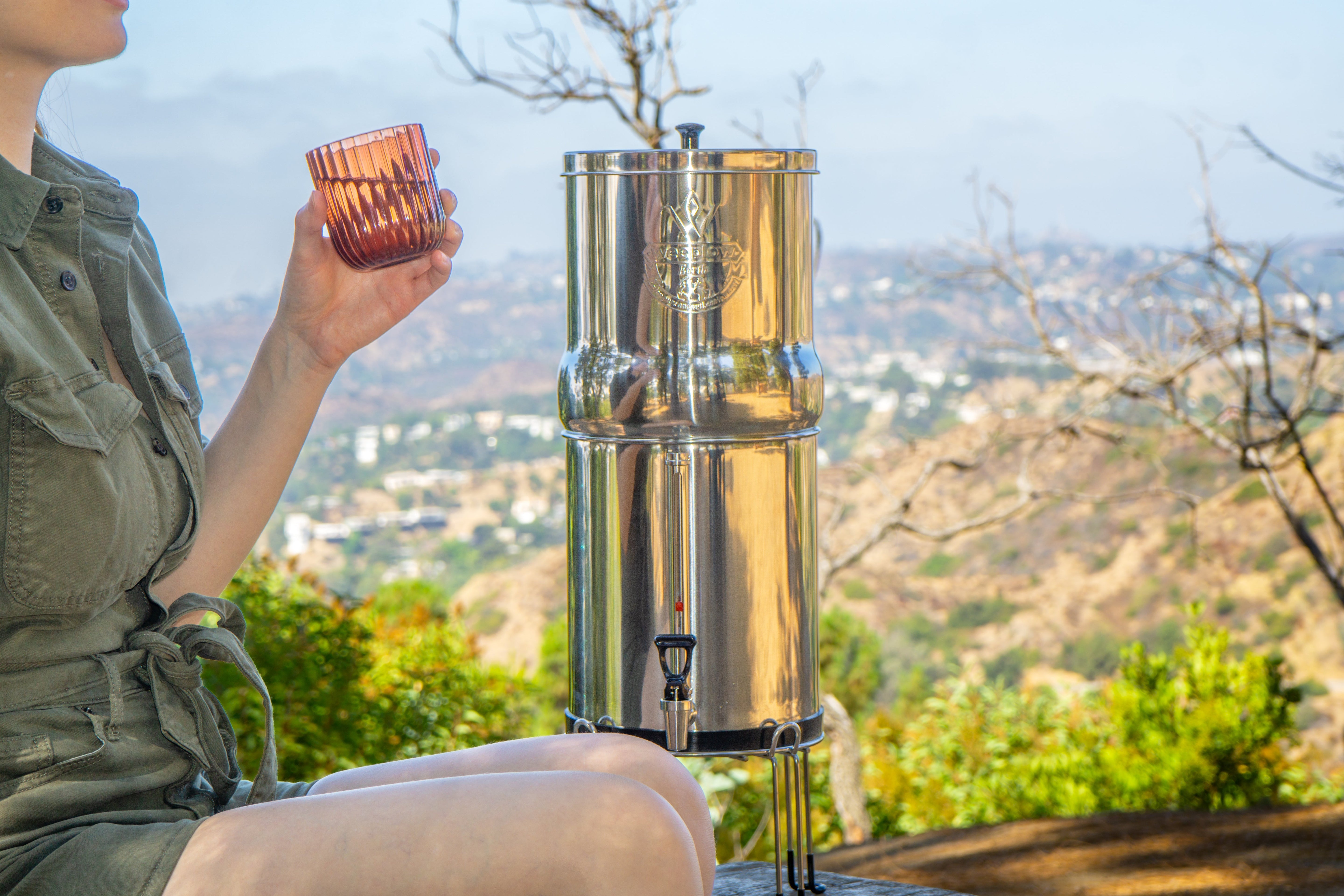
If you suspect contamination, stop drinking the water immediately. We recommend switching to filtered water to avoid dehydration. At Weeplow, we offer a gravity water filter designed to reduce more than 99% of many bacteria and contaminants.
However, medical advice becomes essential in some situations. If symptoms persist or worsen — especially high fever, blood in vomit or stools, or neurological symptoms — it is important to contact a doctor or attend A&E.
Summary of contaminants, symptoms and recommended actions:
Type of Contaminant |
Associated Symptoms |
Recommended Action |
Bacteria (E. coli, Salmonella) |
Diarrhoea, vomiting, abdominal pain, fever |
Hydration, medical advice, antibiotics if required, symptom monitoring |
Viruses (norovirus, rotavirus) |
Vomiting, diarrhoea, nausea, fever, headache |
Rest, hydration, supportive care, medical advice if needed |
Heavy Metals (lead, mercury) |
Neurological issues, abdominal pain, fatigue, cognitive effects |
Stop consumption, seek medical advice, blood tests where appropriate |
Pesticides |
Nausea, vomiting, headaches, dizziness, fatigue |
Medical advice, monitoring, supportive treatment |
Solvents |
Headaches, dizziness, nausea, possible liver or kidney effects |
Avoid further exposure and seek urgent medical advice |
Parasites (Giardia, Cryptosporidium) |
Persistent diarrhoea, nausea, weight loss, fatigue |
Medical advice, antiparasitic treatment, hydration |
Excess Chlorine |
Skin irritation, red eyes, nausea, headaches |
Stop use temporarily, hydrate, seek advice if symptoms continue |
The safety of tap water in France has raised growing concern, particularly after recent contamination incidents. In Bar-sur-Seine, for example, bacterial pollution reportedly caused severe symptoms among several residents and required intervention from health services. These cases highlight the vulnerability of water networks.
They are often linked to substances that pollute water supplies, such as pesticides, residues, medicines or industrial solvents. Invisible to the naked eye, they may still affect health.
Below are examples of substances more commonly detected in tap water depending on region, based on public health reports.
Region |
Frequently Detected Substances |
Potential Health Effects |
Possible Source |
Île-de-France |
Chlorothalonil metabolites, medicine residues |
Potential cancer risk, endocrine disruption concerns |
Agriculture, domestic discharge |
Grand Est |
Nitrates, pesticide residues |
Digestive concerns, water quality issues |
Intensive farming, industrial leaks |
Nouvelle-Aquitaine |
Atrazine, phosphates |
Hormonal disruption concerns |
Agriculture, fertilisers |
Faced with these risks, monitoring, chlorination and treatment systems are used to keep tap water safe. However, some households prefer an extra layer of reassurance through filtration.
Even bottled water is not automatically risk-free. Some Perrier bottles were destroyed after tests reportedly found faecal contamination.

Drinking clean water is essential for protecting your health and that of your family. Home testing kits can help assess quality, and many people are surprised to find chlorine, bacteria or trace metals present.
Our gravity filter combined with activated carbon is effective against chlorine, pesticides and many other unwanted substances. It can be used with tap water, rainwater or other freshwater sources.
It works without electricity, making it practical both in the kitchen and while travelling.
We also recommend these good daily habits for safer water:
If you have concerns about local tap water quality, contact your regional health authority or local water supplier.
To reduce the risk of contaminated water at home, choose safer alternatives such as the Weeplow gravity filter, offering a practical and effective way to purify drinking water.
Nitrates et méthémoglobinémie : quels risques pour l’eau du robinet ? Comprenez le lien entre ces deux éléments et ce que cela signifie pour votre eau au quotidien.
Researchers are increasingly studying the possible effects of chronic exposure to nitrates in drinking water. Here is what current research actually says about the potential risks associated with l...
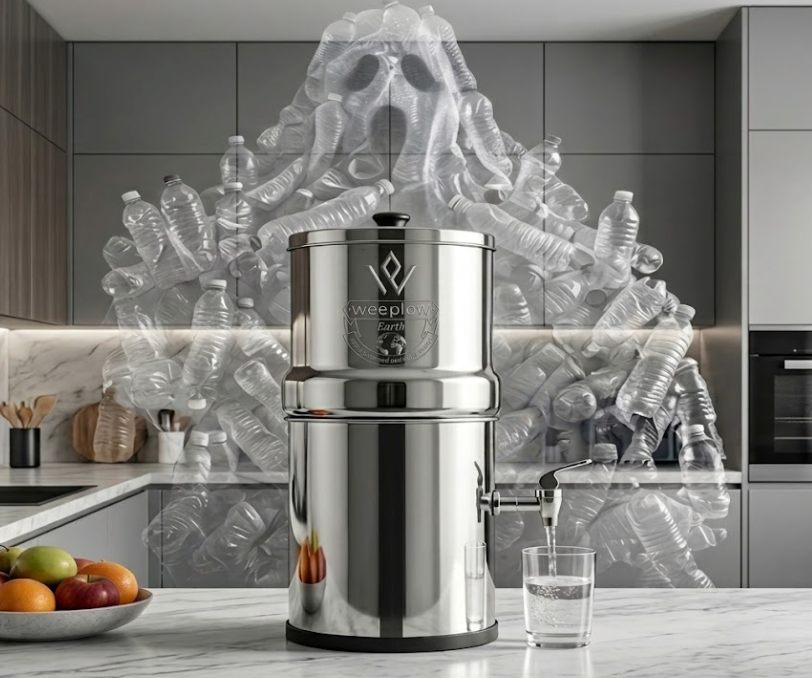
Introduction Each year, a French household spends hundreds of euros on bottled water. It is carried home from the supermarket, stored in the kitchen, reassured by the image of mountains on ...
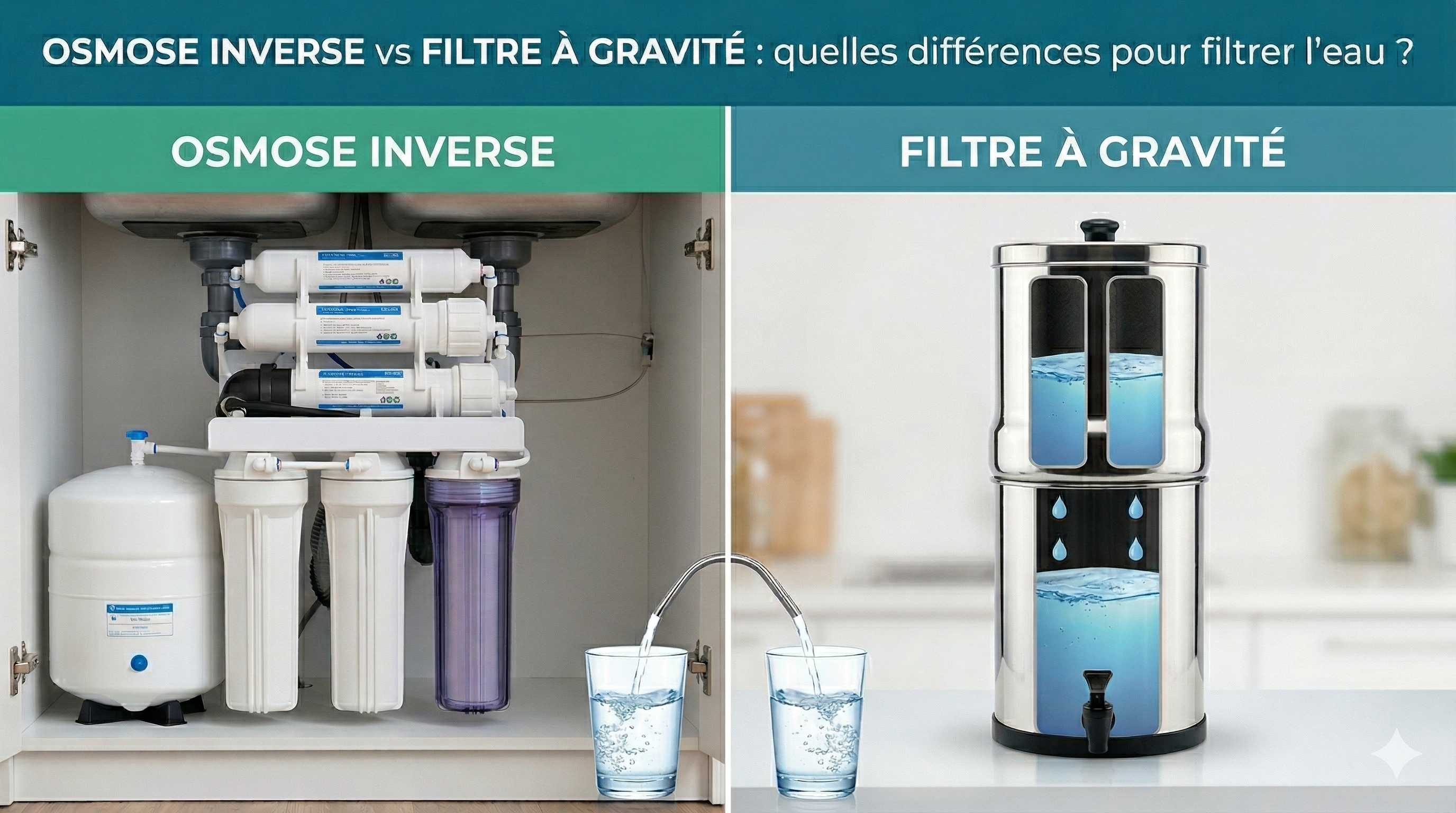
Reverse osmosis or a gravity filter: what are the differences when filtering drinking water? Discover how these two technologies work, along with their advantages and limitations for reducing conta...
Tap water is often treated to make it drinkable, but it can still contain traces of pollutants. These may include chlorine, pesticides, nitrates and pharmaceutical residues. These substances can ca...