



Nitrates et méthémoglobinémie : quels risques pour l’eau du robinet ? Comprenez le lien entre ces deux éléments et ce que cela signifie pour votre eau au quotidien.
Your Cart
(0 products)
Your cart is empty
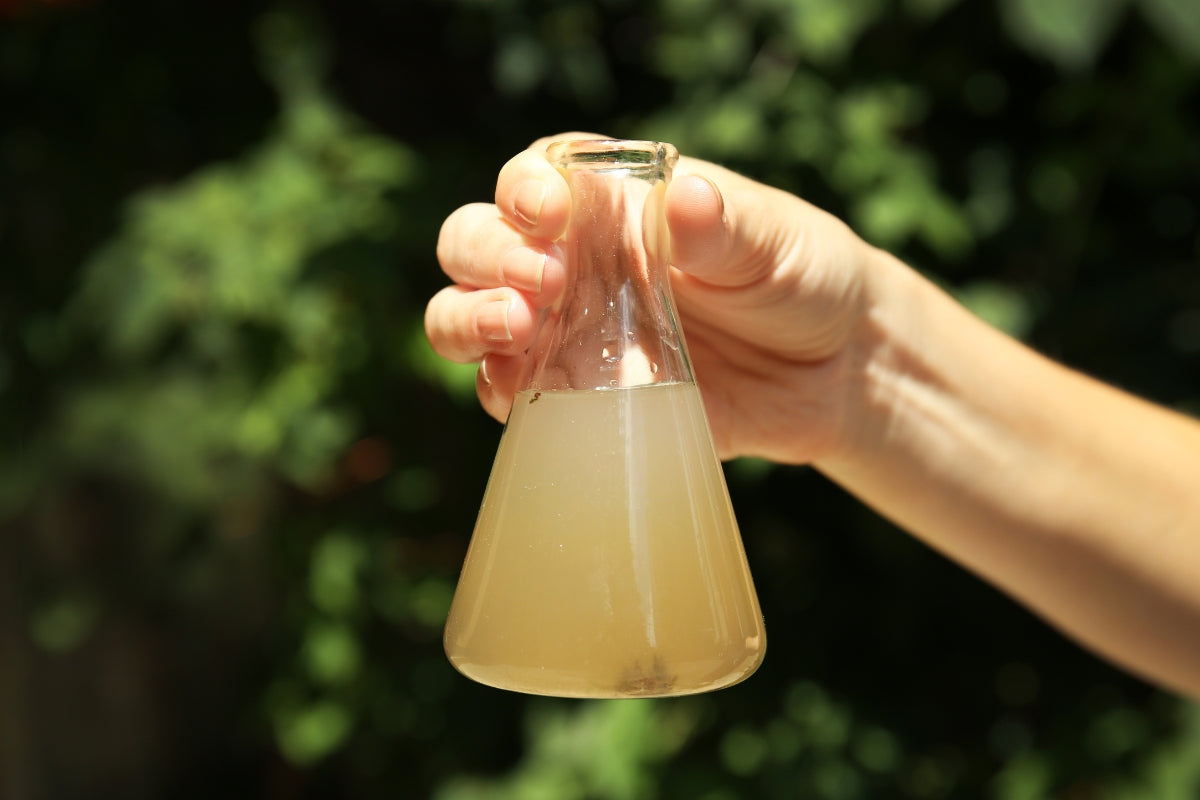
Tap water, groundwater, water used in food production, non-drinking water and bathing water... We are in constant contact with this vital resource, yet it is not always without risks to our health.
Pollution from agriculture, industry or human activity, bacterial contamination, and the presence of toxic chemical substances all affect water quality. In France, health authorities monitor and assess standards, yet some contaminants such as nitrites and chlorine by-products can still raise concerns.
Nitrates, pesticides, heavy metals, microplastics, viruses and parasites may all be found in water. At high concentrations, or through long-term exposure, they may contribute to serious health problems including infectious illness, digestive disorders, skin irritation, hormonal disruption and certain cancers.
More vulnerable groups — such as babies, children, pregnant women and people with weakened immune systems — may face higher risks.
Tap water quality, bathing precautions and wastewater management are all important issues to understand if we want to protect long-term health.
Among the most common causes of contamination are industrial discharges containing toxic chemicals such as heavy metals, hydrocarbons and solvents.
The widespread use of pesticides and fertilisers in agriculture also contributes to declining water quality through surface runoff and infiltration into groundwater.
Urban wastewater, when not properly treated, brings its own range of pollutants, including organic matter, medicine residues and microplastics.
Biological contaminants such as enteric viruses, pathogenic bacteria and parasites mainly come from animal or human faecal waste.

Lead, mercury, arsenic, nitrates and pesticides are among the most concerning pollutants. Long-term exposure has been linked to cancers, neurological disorders, kidney disease and reproductive problems.
Even at low levels, endocrine disruptors found in water (such as medicine residues or phthalates) are suspected of interfering with the hormonal system.
Chemical Substance |
Potential Health Effects |
Lead |
Neurological problems, developmental delays in children |
Mercury |
Damage to the nervous system, kidneys and unborn baby |
Arsenic |
Skin, bladder and lung cancers |
Nitrates |
Infant methaemoglobinaemia, digestive health concerns |
Pesticides |
Hormonal disruption, cancers, neurological effects |
Norovirus and rotavirus are linked to many cases of gastroenteritis. Certain bacteria such as Escherichia coli, Salmonella or Legionella may cause potentially serious infections, particularly in vulnerable people.
Parasites such as Cryptosporidium or Giardia can lead to severe intestinal problems.
The impact of water pollution on public health is significant, especially as contamination pressures continue to grow. Children, pregnant women and older adults are often the most affected.
Drinking contaminated water may cause acute digestive illness. The most common symptoms include nausea, vomiting, diarrhoea and abdominal pain.
These symptoms are often linked to microbial infections caused by bacteria such as E. coli, Salmonella, Campylobacter, rotavirus or norovirus.
Some acute chemical poisonings, linked to high levels of nitrates or pesticides, may also cause digestive, neurological or respiratory symptoms.
Serious complications are also possible, particularly in older adults or people with weakened immunity.
Contaminant |
Short-Term Effects |
Enterotoxigenic E. coli |
Watery diarrhoea, dehydration |
Salmonella |
Typhoid fever, gastroenteritis |
Norovirus |
Acute gastroenteritis, vomiting |
Nitrates |
Infant methaemoglobinaemia |
Pesticides |
Digestive, neurological or respiratory symptoms |
Chronic exposure to chemical contaminants in polluted water, even at low doses, may increase the risk of long-term disease.
Pollutants such as heavy metals (lead, mercury, arsenic), pesticides and endocrine disruptors have been associated with cardiovascular disease, neurological disorders, hormonal dysfunction and certain cancers.
The developing foetus and young child are especially sensitive, with potential impacts on brain development and fertility.
The human microbiome is a complex ecosystem of beneficial bacteria that plays an important role in health.
Water contaminants such as antibiotic residues, biocides or heavy metals may disrupt this balance.
Even occasional disruption of the microbiome is suspected of contributing to chronic digestive problems, allergies, autoimmune disease and metabolic disorders such as obesity or diabetes.
While the physical effects of polluted water are well documented, impacts on mental health are often overlooked.
Lead, mercury, chlorine by-products and endocrine disruptors may affect the nervous system and cognitive function.
Long-term exposure has been linked to increased risks of neurodevelopmental disorders in children, anxiety, depression and neurodegenerative disease in adults.
Children, pregnant women and older adults are more sensitive to water pollutants because of physiology and life stage.
Young children are still developing and may absorb contaminants more easily.
Pregnant women should be especially cautious, as some pollutants can cross the placenta and affect the unborn child.
Older adults may have weaker immunity and reduced ability to eliminate toxins.
Group |
Main Risks |
Recommendations |
Babies and young children |
Developmental and cognitive problems |
Use water suitable for infants, breastfeeding where possible |
Pregnant women |
Foetal malformations, neurodevelopmental concerns |
Avoid water high in nitrates, pesticides or heavy metals, consider filtration |
Older adults |
Infectious illness, dehydration, cognitive effects |
Stay hydrated, use filtration, monitor local water quality |
In France, tap water is generally considered safe, but monitoring results can sometimes raise concerns. Despite disinfection measures, trace contaminants may remain.
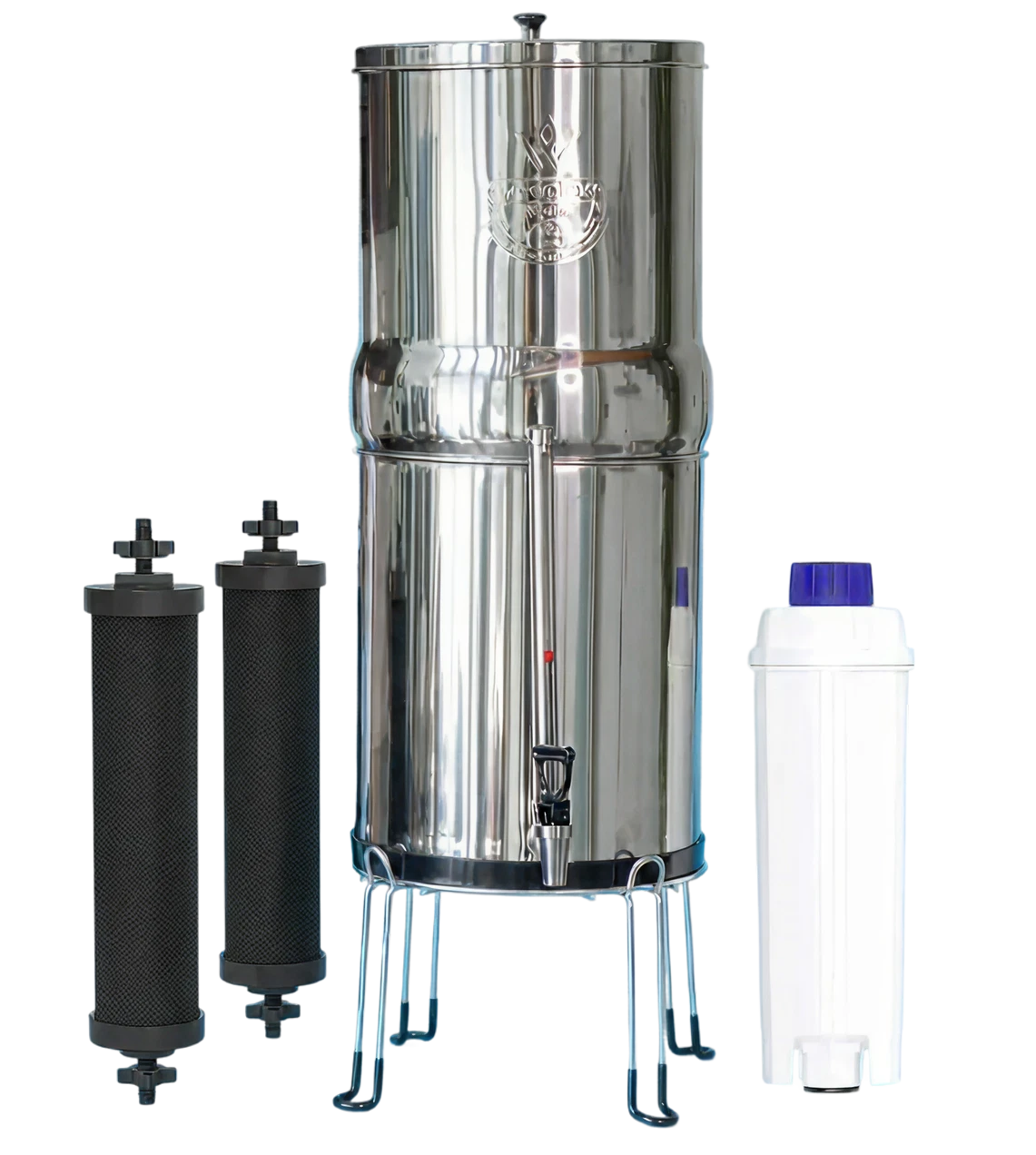
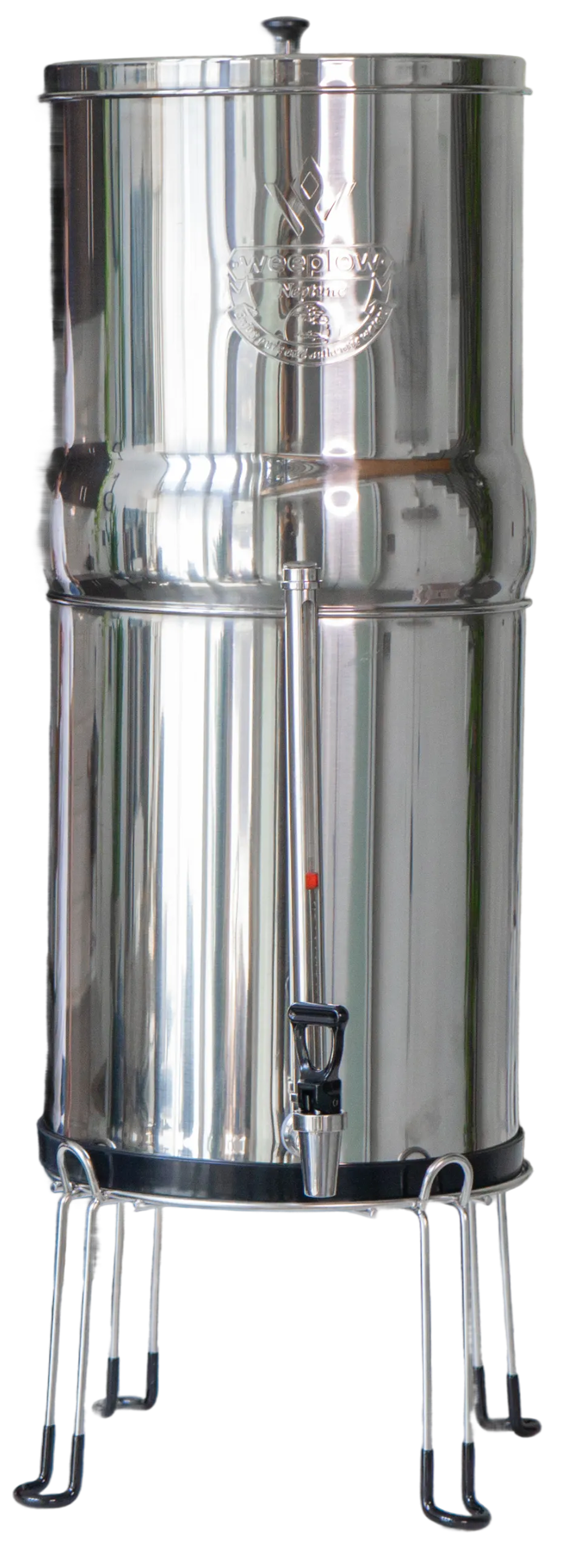
For households wanting extra reassurance, one practical solution is to use gravity water filters combined with activated carbon.
These systems help remove many pollutants by passing water through specialist cartridges.
Simple everyday actions can make a real difference.
Do not pour toxic products such as medicines, paint or solvents into sinks or toilets, as they disrupt wastewater treatment and contaminate waterways.
By adopting these responsible habits and using effective home filtration, you can help protect this vital resource: safe drinking water.
It is also worth checking with your local authority to understand treatment methods and local water quality results. Home testing kits can provide added reassurance.

There are other filtration options such as reverse osmosis systems and filter jugs. However, gravity filters are often among the most practical choices for both drinking water and kitchen appliances, as they help reduce many pollution-related contaminants.
Nitrates et méthémoglobinémie : quels risques pour l’eau du robinet ? Comprenez le lien entre ces deux éléments et ce que cela signifie pour votre eau au quotidien.
Researchers are increasingly studying the possible effects of chronic exposure to nitrates in drinking water. Here is what current research actually says about the potential risks associated with l...

Introduction Each year, a French household spends hundreds of euros on bottled water. It is carried home from the supermarket, stored in the kitchen, reassured by the image of mountains on ...
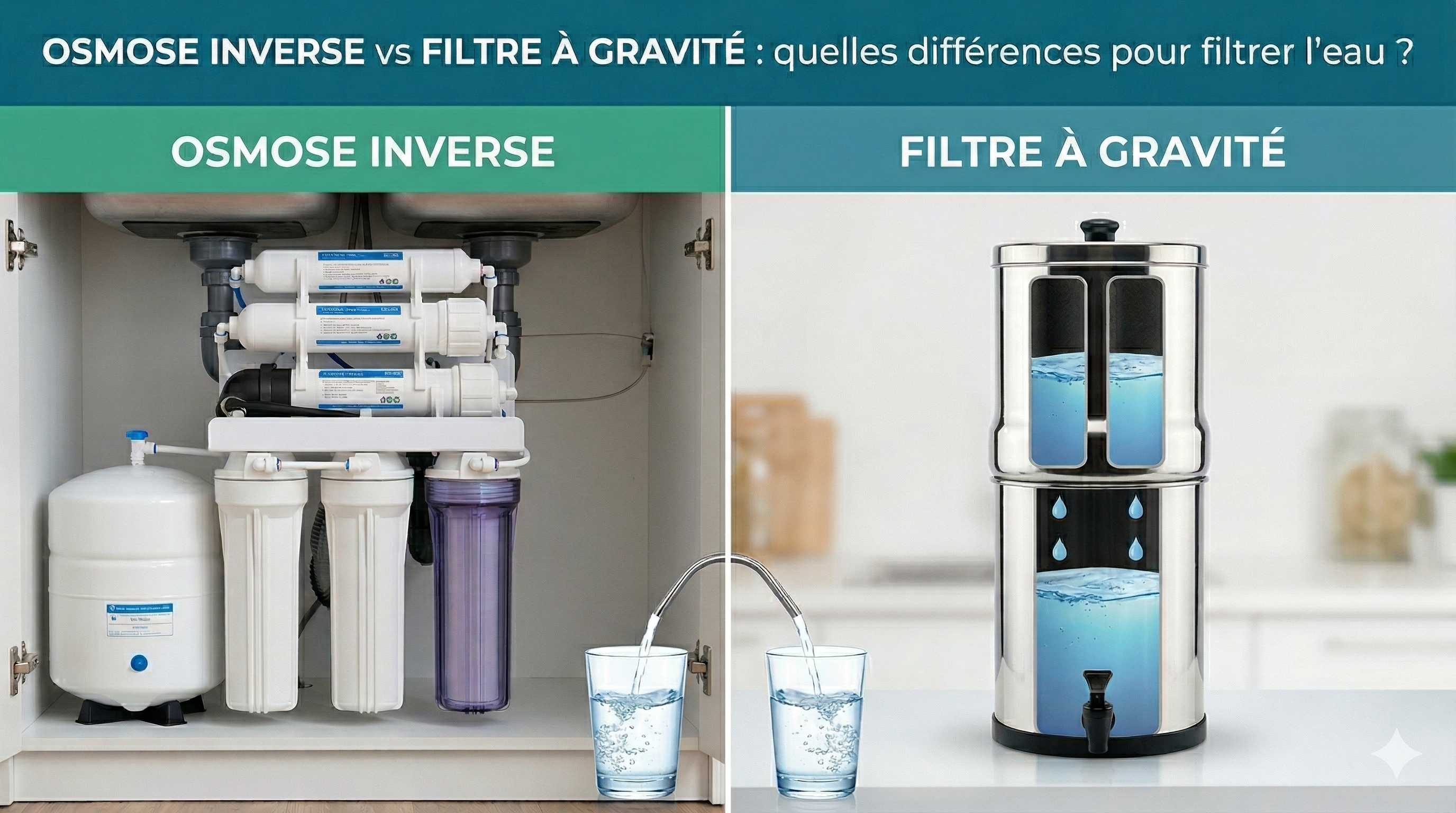
Reverse osmosis or a gravity filter: what are the differences when filtering drinking water? Discover how these two technologies work, along with their advantages and limitations for reducing conta...

Tap water is often treated to make it drinkable, but it can still contain traces of pollutants. These may include chlorine, pesticides, nitrates and pharmaceutical residues. These substances can ca...